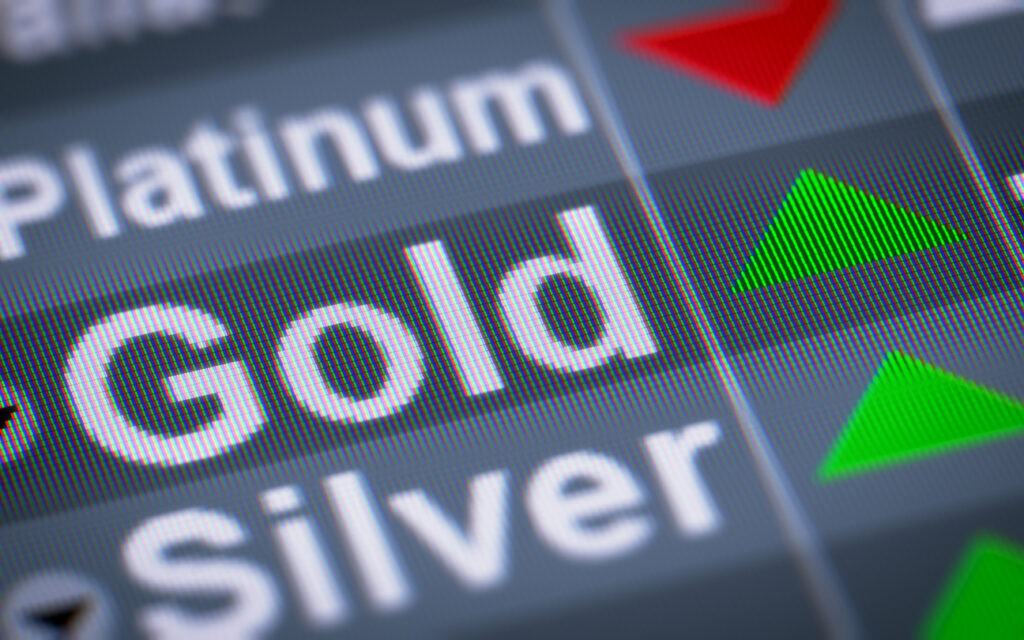
If you’ve been watching prices lately, you’ve probably noticed that the precious metals market has been moving in ways that feel both fast and unpredictable. Gold, silver, platinum, and other metals are all responding to a mix of global economic forces, and those forces are shifting almost daily.
At its core, the precious metals market is influenced by inflation trends, interest rate expectations, geopolitical uncertainty, and changes in investor demand. When these factors move together, they can create sharp price swings. When they move in opposite directions, the market can feel confusing. Understanding the precious metals market right now comes down to recognizing how these forces interact and what they mean for both investors and everyday sellers.
The Main Forces Driving The Precious Metals Market
Several key drivers are shaping current precious metal market trends. These are the same forces that tend to show up again and again in precious metals news, and they explain why prices are behaving the way they are today.
Here are the biggest factors affecting the current market price of precious metals:
- Interest rates and inflation expectations
- Central bank gold buying activity
- Currency strength, especially the U.S. dollar
- Stock market volatility and investor sentiment
- Industrial demand for precious metals like silver and platinum
Each of these influences the current value of precious metals in a different way. When combined, they create the price movement you see day to day.
How Inflation And Interest Rates Are Impacting Prices
Inflation continues to play a major role in the precious metals market. When the cost of living rises, many investors turn to gold and silver as a way to preserve purchasing power. This is one reason precious metals are often described as a safe haven asset.
Interest rates work in the opposite direction. When rates rise, holding metals can feel less attractive because they do not generate income like bonds or savings accounts. When rates are expected to fall, metals often benefit because that opportunity cost decreases.
This push and pull is a major reason why the gold and silver forecast has been so active recently. You’ll often see shifts in pricing immediately after major economic reports or central bank announcements.
Central Bank Activity And Currency Movements
One of the most important drivers in the precious metals market right now is central bank gold buying. Around the world, central banks have been increasing their gold reserves as a way to diversify away from traditional currencies.
This steady demand helps support long term pricing, even when short term volatility increases.
At the same time, currency fluctuations continue to influence stock market prices for precious metals. When the U.S. dollar strengthens, metals can become more expensive for international buyers, which can temporarily slow demand. When the dollar weakens, metals often move higher as they become more attractive globally.
Investor Demand Versus Industrial Demand
Another important factor is the balance between investor demand and industrial demand for precious metals.
Gold is primarily driven by investment demand, while silver has a dual role. Silver is both an investment asset and a critical industrial material used in electronics, solar energy, and medical applications. This makes the silver market outlook more complex and often more volatile.
Platinum and palladium are even more tied to industrial demand, particularly in automotive manufacturing and emissions control systems. When production slows, demand can drop. When manufacturing increases, these metals can move quickly.
This connection between real world use and investment demand is a major theme in the commodity market outlook 2026.
Why Economic Uncertainty Pushes Prices Higher
Periods of uncertainty tend to push more money into the precious metals market. When investors feel unsure about stocks, currencies, or global stability, they often look for assets that have historically held value.
That is why precious metals investment trends often show increased demand during:
- Inflation spikes
- Market corrections
- Geopolitical conflict
- Currency instability
If you already own gold or silver, this type of environment can create opportunities. Rising prices may increase the value of your holdings, making it a good time to evaluate whether to hold or sell.
Understanding the current pricing environment can help you decide when it makes sense to act.
What The Current Market Means For Sellers
If you have jewelry, coins, or bullion, the current value of precious metals may be higher than you expect. Many people are surprised to learn how much their items are worth when prices rise.
If you’re considering selling, it helps to work with professionals who understand how pricing works in real time. For example, evaluating options to buy and sell gold or buy and sell silver can give you a clearer idea of how your items are valued based on weight, purity, and current spot prices.
If you own collectible coins, getting accurate coin appraisals can help determine whether your items carry additional value beyond metal content.
Its important to understand who should and shouldn’t consider selling their gold and silver right now to better understand timing and market conditions.
Understanding Spot Price Versus Offers
One of the most common questions people have is why the offer they receive may differ from the spot price they see online.
Spot price represents the current market price of precious metals in bulk trading markets. However, actual buying and selling offers take into account factors like refining costs, dealer margins, and market demand.
That is why understanding the precious metals market requires looking beyond headlines. A knowledgeable local expert can explain how pricing works and help you feel confident about your decision.
If you’re considering investing in precious metals, it’s important to understand how physical metals fit into a broader financial strategy.
Staying Informed In A Changing Market
The precious metals market continues to evolve as global conditions shift. Whether you are following the precious metals outlook 2026, tracking short term price movements, or simply curious about the value of items you already own, staying informed makes a difference.
Working with experienced professionals who understand the market can help you navigate pricing, timing, and your options with greater clarity. Doylestown Exchange and our experience can help when it comes to accurate evaluations and transparent guidance.
The more you understand the precious metals market, the easier it becomes to make confident decisions about buying, selling, or holding your assets. Contact us today to discuss current pricing, evaluate your items, and get clear answers about your next steps.