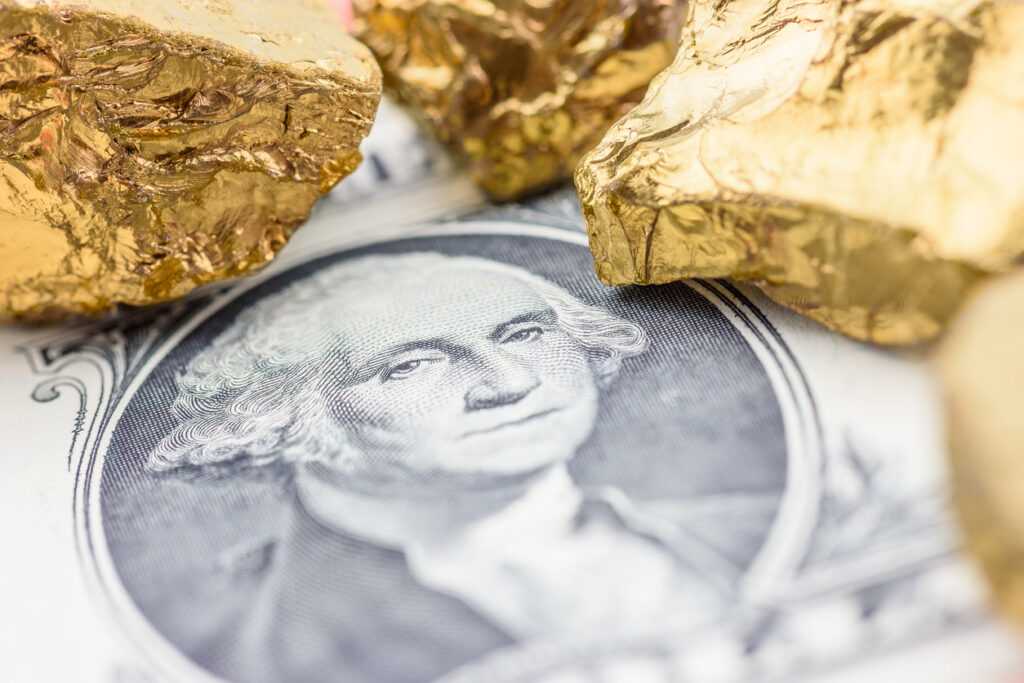
As global markets move toward 2026, the precious metals outlook 2026 is being shaped by persistent inflation concerns, evolving interest rate policies, geopolitical uncertainty, and shifting industrial demand. In this environment, metals such as gold, silver, platinum, and palladium continue to play a dual role—serving both as investment hedges and as essential industrial materials.
With currencies under pressure and volatility remaining a constant feature of financial markets, precious metals remain a critical part of the broader commodity market outlook 2026. Investors, collectors, and institutions alike are watching how macroeconomic forces will influence pricing, availability, and long-term value positioning.
Macroeconomic Forces Shaping Metals Markets
Several macroeconomic drivers are expected to influence precious metals in 2026:
- Interest rate expectations: While rate cuts may eventually materialize, uncertainty around monetary policy keeps demand for safe-haven assets strong.
- Inflation trends: Sticky inflation reinforces gold and silver’s role as purchasing power protectors.
- Geopolitical pressures: Ongoing conflicts and trade disruptions continue to push investors toward tangible assets.
- Currency volatility: A weaker or unstable dollar historically benefits precious metals pricing.
These conditions support continued interest in investing in precious metals as part of a diversified risk-management strategy.
Gold: Hedge Against Inflation and Uncertainty
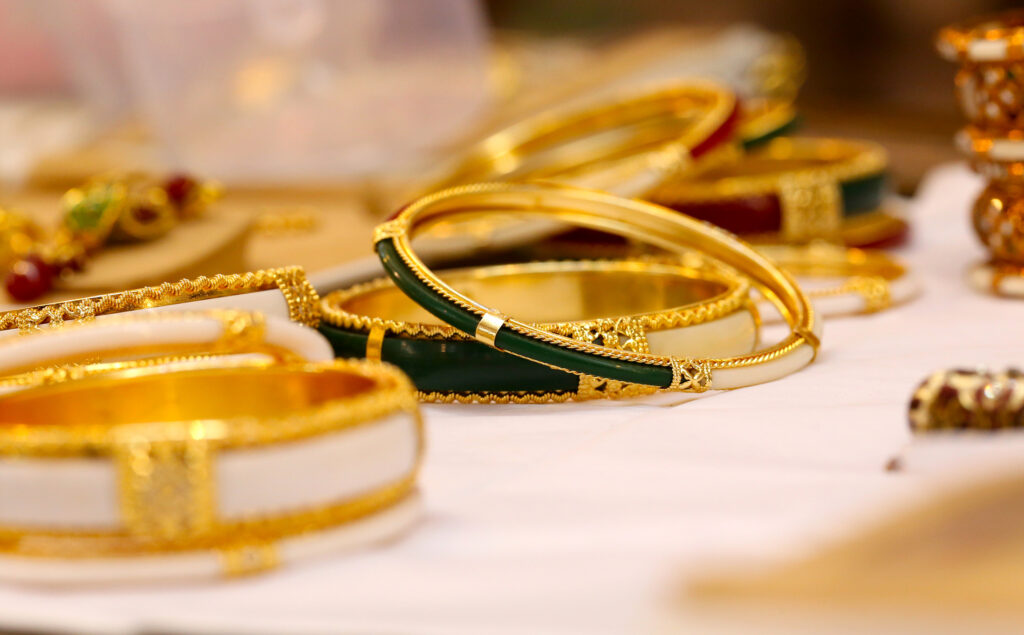
Gold’s traditional role as a hedge remains firmly intact heading into 2026. Central bank gold buying has reached historically elevated levels as governments seek to diversify reserves away from fiat currencies. This institutional behavior provides structural support for long-term demand.
Analysts continue debating the gold price forecast 2026, with some experts pointing to the possibility of new highs driven by monetary easing and geopolitical risk. Recent commentary on ambitious long-term targets has fueled renewed interest among institutional and retail investors alike, reinforcing gold’s importance within broader precious metals investment trends.
Gold’s relevance is not only financial, it remains essential in electronics, medical devices, and high-reliability components, tying its outlook to industrial stability as well as investor sentiment.
Silver: Investment Metal and Industrial Powerhouse

Among precious metals, silver occupies a unique position. It serves both as a monetary metal and a critical industrial input. The silver market outlook for 2026 reflects this dual demand structure.
On the investment side, silver benefits from many of the same drivers as gold—currency concerns, inflation hedging, and volatility protection. On the industrial side, silver demand continues to rise from:
- Renewable energy and solar panel production
- Electronics and semiconductors
- Medical and antibacterial applications
- Automotive and EV technologies
This combination of investment interest and industrial consumption makes silver particularly sensitive to supply chain constraints. Mining supply remains challenged by geopolitical risks and environmental regulations, creating pressure within the precious metals supply chain.
Movements in the silver-to-gold ratio also remain a key indicator for traders and investors assessing relative value and liquidity conditions.
Platinum and Palladium: Industrial Demand Drivers
Platinum and palladium are heavily influenced by industrial use, especially within the automotive sector. Emissions control systems, hydrogen fuel research, and emerging clean-energy technologies continue to drive demand.
While electric vehicle adoption has reduced some catalytic converter demand, hybrid vehicles and regulatory standards still rely on these metals. Additionally, platinum’s expanding role in hydrogen fuel cells positions it as a strategic material in future energy infrastructure.
These metals remain vulnerable to supply-side risks, particularly due to mining concentration in politically sensitive regions. Any disruption in production can quickly impact pricing and availability.
Supply Constraints and Geopolitical Mining Risks
Mining production for precious metals is geographically concentrated, increasing exposure to political instability, labor disputes, and regulatory changes. As demand for industrial metals rises, limited new mine development adds pressure to long-term supply forecasts.
This dynamic reinforces why many investors and institutions monitor both macroeconomic indicators and mining conditions when assessing the gold and silver forecast and broader market health.
What Buyers and Investors Should Watch in 2026
As 2026 approaches, different market participants may position themselves based on their risk tolerance and objectives:
- Short-term traders may focus on volatility tied to interest rate announcements and geopolitical developments.
- Long-term investors may prioritize gold and silver as portfolio stabilizers.
- Collectors and refiners may track industrial demand cycles and availability constraints.
- Jewelry buyers may balance aesthetic value with long-term material appreciation.
Education and trusted market insight remain essential. Many investors turn to professional services that support buying, selling, and appraisal needs through comprehensive offerings like precious metals services and informed guidance from experienced specialists.
Those considering physical ownership can explore options for buying and selling silver or buying and selling gold as part of a broader diversification strategy.
Long-Term Perspective in a Volatile Market
The precious metals outlook 2026 suggests continued relevance for gold, silver, platinum, and palladium as both financial hedges and industrial necessities. While short-term price movements may remain volatile, long-term value positioning is driven by structural demand, supply limitations, and institutional participation.
For those seeking clarity on whether gold or silver best aligns with their goals, resources such as Should I Invest in Gold or Silver? and The Pros and Cons of Investing in Gold and Silver provide useful context.
Ultimately, precious metals remain a cornerstone of risk management and wealth preservation strategies. Whether driven by industrial growth or economic uncertainty, metals—especially silver—are likely to stay central to the investment conversation well beyond 2026.
For personalized insight or guidance, investors can learn more about trusted providers through the About Doylestown Gold Exchange page or reach out directly via their contact page.